Date: 8-3-2026
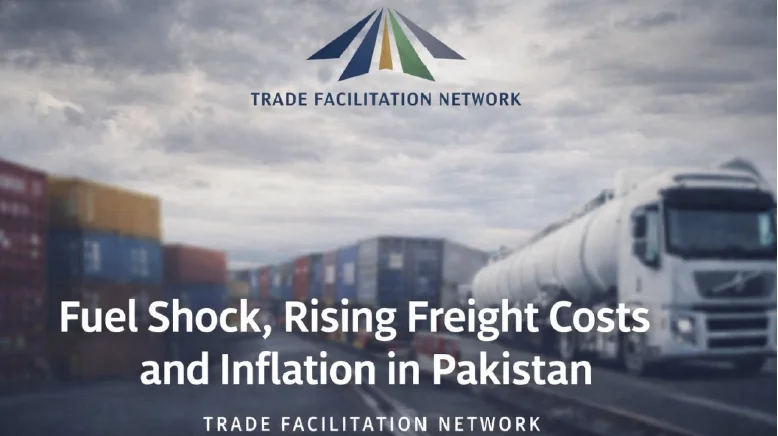
The ongoing geopolitical escalation in the Middle East involving the United States, Israel and Iran is disrupting global energy markets and pushing fuel prices upward across the world. Pakistan is already feeling the impact through rising diesel prices and increasing freight tariffs.
Because more than 90% of Pakistan’s freight moves by diesel trucks, any increase in fuel prices immediately raises the cost of transporting food, industrial goods and export cargo. This directly feeds into higher inflation across the economy.
This is no longer just an energy issue — it has become a national logistics and supply chain challenge.
Pakistan does have some structural advantages that can be used immediately to contain the impact. The country has domestic refining capacity and surplus electricity generation during off-peak hours, and it also has an underutilized rail freight network.
Instead of allowing freight prices to spiral, several practical steps can be taken immediately.
First, Pakistan Railways must urgently expand freight operations on the Karachi–Lahore–Faisalabad–Multan–Peshawar corridors. Even diesel-powered trains consume significantly less fuel per ton of cargo compared to road trucking. Shifting even a portion of container cargo to rail can quickly reduce national diesel consumption and stabilize freight costs.
Second, ports and logistics terminals should maximize the use of electric-powered cargo handling equipment. Facilities at Karachi Port and Port Qasim already rely heavily on grid electricity. Expanding electric forklifts, cranes and terminal equipment can reduce diesel usage within logistics hubs.
Third, night-time logistics operations should be expanded. Pakistan has excess electricity capacity during off-peak hours. Increasing cargo handling and rail freight movement at night can utilize this available power while easing fuel demand during daytime transport operations.
Finally, freight tariff increases must remain aligned with actual fuel price changes. In times of crisis, freight markets sometimes experience speculative price escalation that goes beyond real cost increases. Temporary monitoring and coordination with industry stakeholders can help maintain supply chain stability.
Pakistan’s freight system remains heavily exposed to global oil price volatility. The present energy shock highlights the urgent need to make better use of existing infrastructure, rail capacity and available electricity to stabilize logistics costs.
Managing freight costs today is essential not only for exporters and traders but also for protecting consumers from rising inflation.
The current crisis should therefore be treated as an opportunity to improve operational efficiency in Pakistan’s logistics system and strengthen national economic resilience.
Trade Facilitation Network (TFN)