When Trade Gets Stuck: Choosing the Least-Bad Option
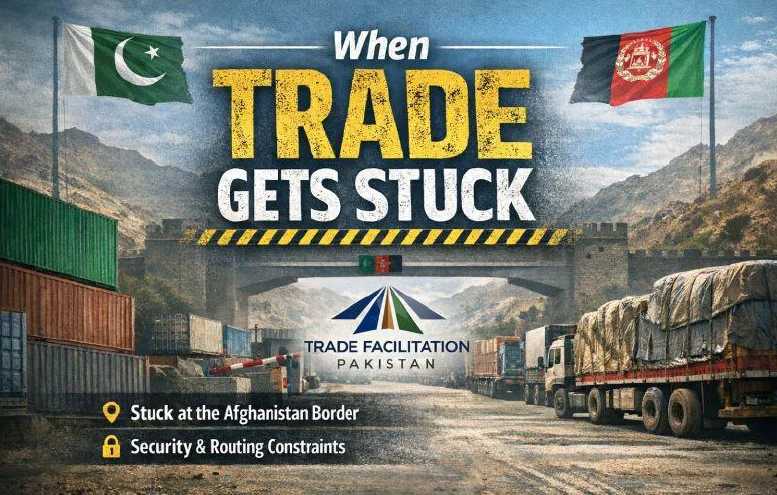
Date: 8-1-2026 In a recent engagement with the Government, a very practical issue was placed on the table. Large volumes of Pakistani export cargo remain stuck at or near the Afghanistan border due to security and routing constraints. The Government expressed its intent to support exporters, avoid disruption, and prevent losses — without crossing compliance […]
TFN COMMENTARY: Afghan Transit Cargo Re-Export Waiver: Relief, But Not Resolution
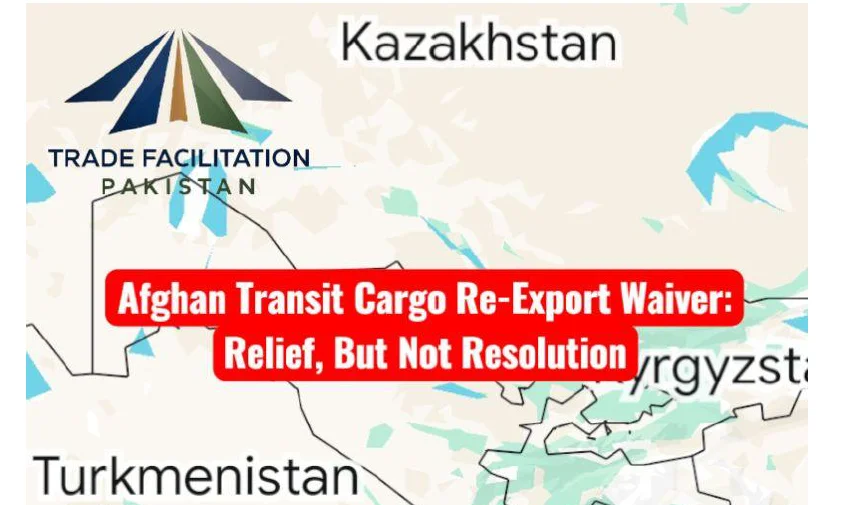
Date: 14-1-2026 Pakistan’s Ministry of Commerce has issued a one-time waiver allowing the re-export of Afghan transit cargo stranded at Karachi ports and land border crossings following prolonged border disruptions. Thousands of containers have accumulated demurrage exposure, with additional congestion reported at Chaman and Torkham. While this measure provides short-term operational relief, it also highlights […]
TFN Concern | When Connectivity Becomes Geopolitics
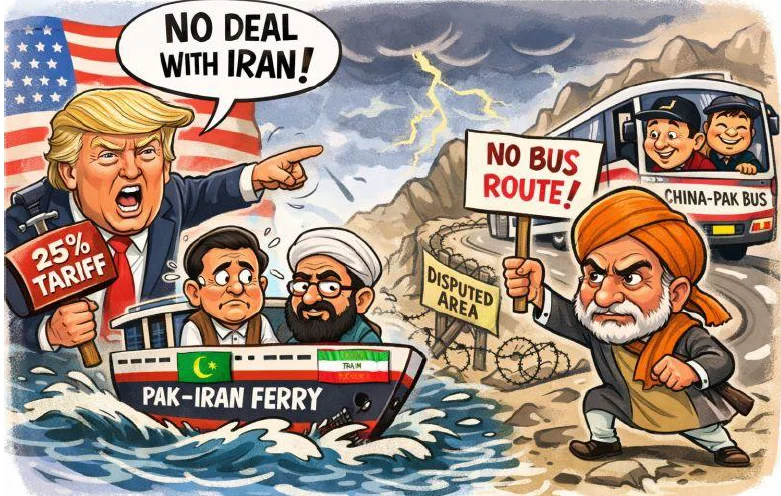
Date: 15-1-2026 The recent statement by U.S. President Donald Trump threatening a 25% tariff on any country engaging in economic activity with Iran — regardless of scale or sector — adds a new layer of uncertainty for regional trade and connectivity planning. While presented as a sanctions enforcement measure, the signal is broader: commercial engagement […]
Multimodal Sea–Land–Rail Transportation Framework Pakistan–Gulf Connectivity Architecture
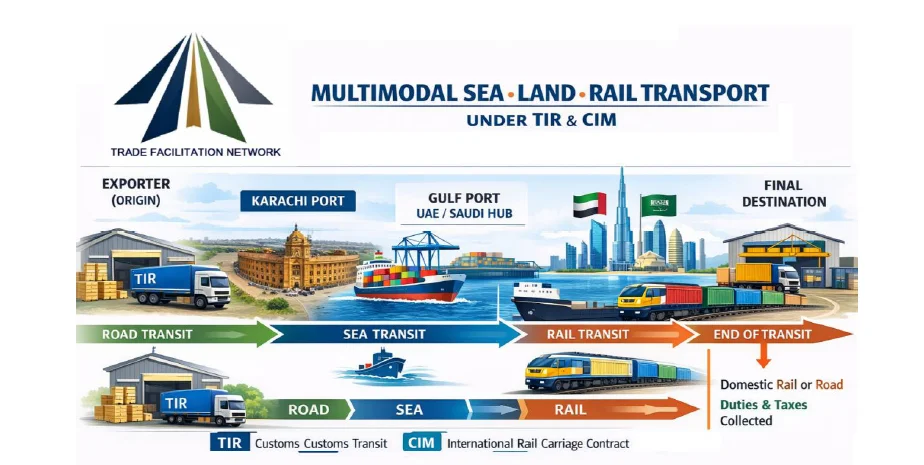
Date: 17-1-2026 1. Purpose of This Document This document establishes a comprehensive institutional and operational framework for enabling multimodal transportation involving road, sea, and rail under a single continuous Customs transit regime governed by the TIR Convention, with rail transport legally enabled through Pakistan’s membership of OTIF and operationalized in a phased manner. The framework […]
Rethinking Central Asia’s Southern Access

Date: 20-1-2026 A CAREC-Aligned Corridor via Karachi, China, Tajikistan, and Uzbekistan For landlocked Central Asia, the real challenge today is not connectivity on paper, but resilience, predictability, and choice in transit. Over-reliance on a narrow set of transit geographies exposes trade to political, security, and operational shocks. What the region increasingly needs are credible alternatives […]
TFN Perspective on the $7 Billion Pakistan–Kazakhstan Rail Vision
Date: 24-1-2026 As global leaders highlighted at the World Economic Forum, the international system is no longer evolving through gradual transitions — it is entering an era of structural rupture. Supply chains, capital flows, technology regimes, and geopolitics are fragmenting simultaneously. In this environment, connectivity is no longer only about efficiency or cost — it […]
Advancing the Kazakhstan–China–Pakistan Corridor
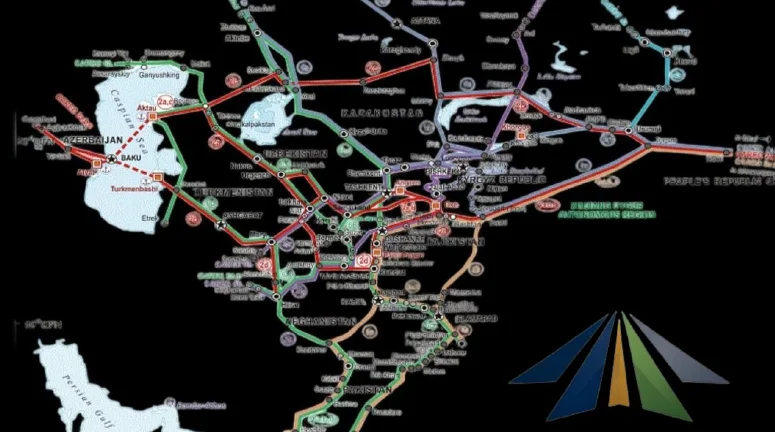
Date: 7-2-2026 February 2026 1. Context: Diplomatic Momentum In early February 2026, Pakistan hosted the Presidents of Kazakhstan and Uzbekistan in back-to-back visits within 48 hours, highlighting strong political support for regional connectivity initiatives. These visits complement ongoing discussions on the USD 7 billion Pakistan–Kazakhstan railway project, reinforcing the strategic imperative to operationalize north–south trade […]
Why Pakistan’s Logistics Reform Must Begin with Liability
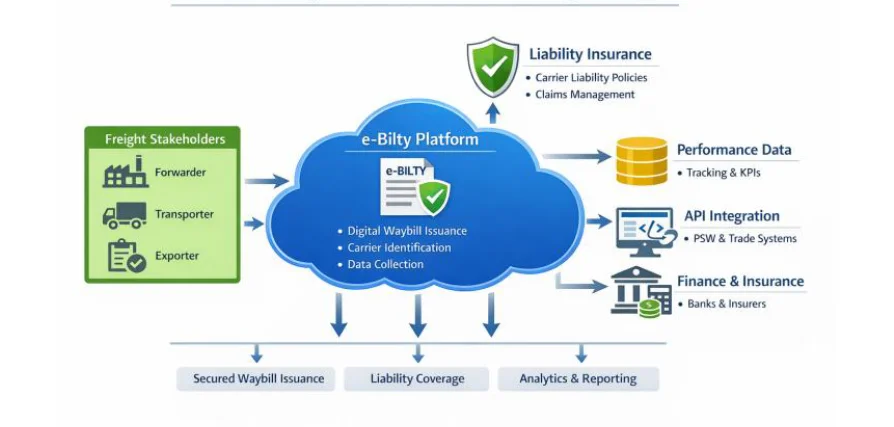
Date: 12-2-2026 TFN Policy Perspective | Trade Facilitation Network Pakistan’s logistics competitiveness debate often begins with infrastructure — roads, ports, rail connectivity, and digital trade platforms. But a more foundational issue remains largely unaddressed: Freight liability in road transport is structurally weak. Nearly 96% of inland freight movement in Pakistan takes place by road. Yet […]
A Data-Driven Policy Case Anchored in ECO & CAREC Frameworks
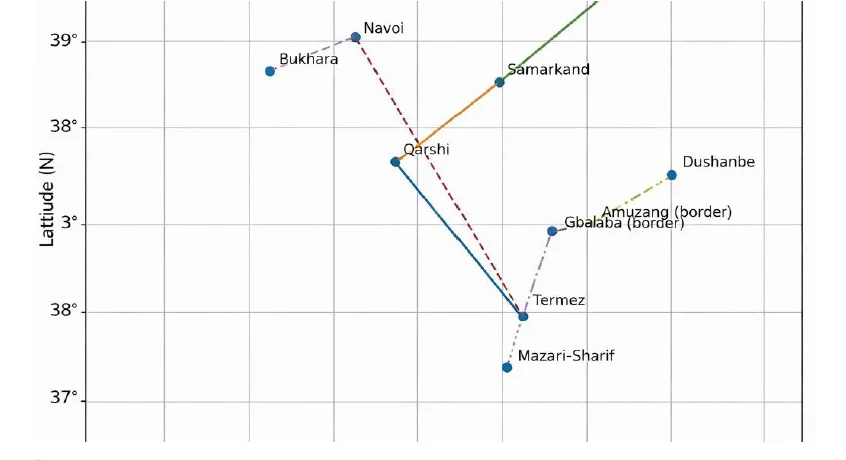
Date: 23-2-2026 A functional southern trade spine already links: • Kulma Pass• Dushanbe• Termez• Navoi• Kabul• Peshawar What is required now is not new infrastructure—but policy synchronization aligned with regional programs, particularly: Economic Cooperation Organization (ECO) Central Asia Regional Economic Cooperation Program (CAREC) Embedding this corridor within ECO and CAREC priorities significantly increases institutional weight, […]
Fragmented Skies & the Southern Access Imperative
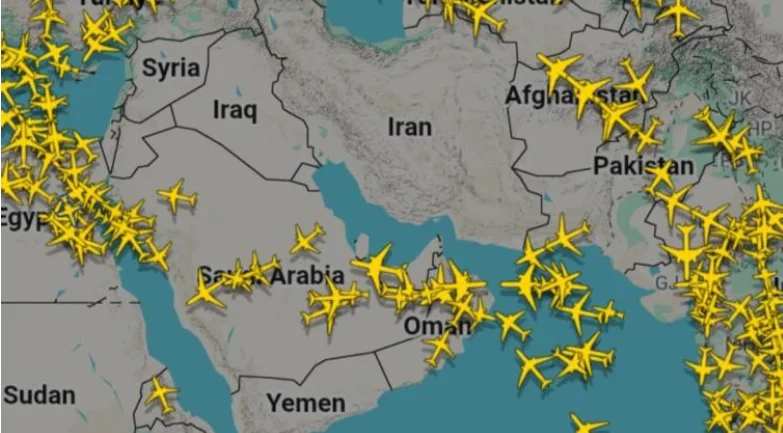
Date: 1-3-2026 Linking Airspace Reconfiguration to ECO’s Strategic Doctrine Prepared by: The Trade Facilitation Network (TFN) – RnD department I. Strategic Premise The Economic Cooperation Organization (ECO) was built on a foundational idea: Regional connectivity reduces vulnerability and increases collective resilience. Historically, ECO connectivity discourse focused on: • Road corridors• Rail corridors• Maritime access Airspace […]